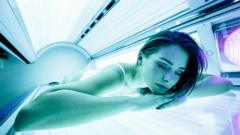
A cross-party group of UK MPs has called for a ban on sunbed advertising, citing evidence that most skin cancer cases are preventable. The parliamentary report identifies sunbed use as a significant risk factor and argues that restricting marketing for these devices could reduce melanoma and non-melanoma skin cancer incidence across the population.
The MPs' findings emphasize that behavioral and environmental interventions, including limiting sunbed promotion, represent a major opportunity for cancer prevention. Current UK regulations allow sunbed advertising with age restrictions, but the report suggests these measures remain insufficient to counter health risks, particularly among younger users who face elevated melanoma risk from UV exposure.
Skin cancer rates have climbed steadily in the UK over recent decades. Non-melanoma cases now exceed 150,000 annually, while melanoma diagnoses top 16,000 yearly. The disease kills approximately 2,300 Britons annually. Sunbeds emit concentrated ultraviolet radiation, intensifying cancer risk compared to natural sun exposure.
The report aligns with recommendations from health organizations including Cancer Research UK and the British Association of Dermatologists, both advocating for stricter sunbed regulations. Some countries, including Brazil and Australia, have already implemented partial or total sunbed bans.
The MPs propose the advertising ban as part of broader cancer prevention strategy alongside public education campaigns and stronger workplace safety standards. Implementation would require legislative change, potentially through amendments to advertising codes currently governed by the Advertising Standards Authority.
The cross-party consensus reflects growing political willingness to prioritize preventive health measures over commercial interests in the cosmetics and beauty industries. A sunbed advertising ban would mark the UK's most aggressive regulatory move against indoor tanning to date.