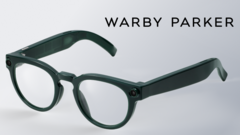
Google is returning to smart glasses after nearly a decade away from the category. The tech giant plans to release its first eyewear device since the 2013 Google Glass debacle, with a fall launch window confirmed.
The new glasses will integrate Google's AI capabilities, enabling users to interact with the company's assistant and services through a wearable form factor. This marks a significant pivot for Google, which largely abandoned smart eyewear after Glass faced criticism for privacy concerns, high cost, and awkward social perception.
The timing positions Google against established players like Meta, which has invested heavily in Ray-Ban smart glasses, and Apple, rumored to be developing spatial computing eyewear. Smartglasses remain a frontier category with mixed commercial success, but the AI integration angle gives Google a fresh narrative. Unlike Glass, which relied on a clunky optical display, the new device will leverage generative AI as its primary value proposition rather than augmented reality overlays.
Specifics remain sparse. Google hasn't disclosed pricing, exact features, or design details. The autumn release window suggests a potential Q4 2025 launch, though timing could shift. The company typically reserves major hardware announcements for its Made by Google events, likely held this fall.
This move reflects the broader race to make AI tangible and wearable. Smart glasses represent prime real estate for AI assistants that users can access throughout the day. Google's partnership with eyewear makers and its existing AI infrastructure give it advantages over newcomers, though execution will determine whether this becomes Glass 2.0 or a genuine category reset. The smart glasses market remains unproven at scale. If Google gets pricing and usability right, it could reshape how people access AI. If not, another expensive experiment awaits.