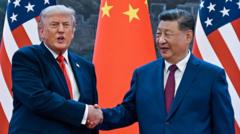
China confirmed it will purchase 200 Boeing aircraft following a Trump-Xi summit, marking a significant commercial win for the US planemaker during a period of intense US-China trade tensions. The deal signals Beijing's commitment to expanding purchases of American goods as part of broader trade negotiations between the two nations.
The Commerce Ministry statement also indicated both countries will pursue an extension to the tariffs truce established in October, suggesting momentum toward easing trade friction that has defined US-China relations in recent years. This agreement on aircraft purchases carries symbolic weight beyond its commercial value, demonstrating China's willingness to inject capital into major American manufacturing alongside diplomatic gestures.
For Boeing, the order represents a lifeline as the company navigates production challenges and reputation damage from safety crises. A 200-aircraft commitment from China's carriers provides substantial revenue visibility and validates demand recovery in commercial aviation. Chinese airlines including Air China, China Eastern, and China Southern have historically been major Boeing customers, making this procurement pool essential to the company's earnings trajectory.
The tariffs truce extension talks reflect both sides' recognition that perpetual trade war escalation damages both economies. Agriculture, technology, and industrial goods have remained flashpoints, but aircraft sales illustrate how strategic commerce can anchor diplomatic progress. Beijing often uses large American purchases as negotiating leverage and goodwill gestures, particularly around defense-sensitive tech discussions.
Boeing shares typically respond positively to large Chinese orders given the airline industry's capital intensity and the visibility such commitments provide to institutional investors. The deal also underscores China's need for modern aircraft to service growing domestic air travel demand, making the purchase strategically rational beyond diplomatic positioning. Whether this momentum sustains depends on progress toward broader tariff rollback agreements beyond the current truce framework.