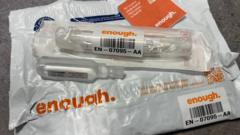
The Advertising Standards Authority banned Enough's DNA self-swab kit advertisements for making unproven health claims. The ASA found the company's online posts presented assertions without sufficient evidence to back them up.
Enough markets direct-to-consumer DNA testing kits that allow users to collect saliva samples at home. The company promoted these products through social media and digital channels, claiming specific health and wellness benefits. The ASA investigated complaints about whether those assertions held scientific weight.
The regulator determined that Enough failed to substantiate key claims made in its advertising material. The ruling prevents the company from continuing to promote the kits using the disputed messaging across its digital platforms.
This decision reflects growing scrutiny of the direct-to-consumer genetic testing sector. Companies like Ancestry, 23andMe, and MyHeritage have expanded aggressively into health insights, ancestry tracing, and wellness recommendations. Regulatory bodies across multiple jurisdictions have grown increasingly cautious about marketing claims that outpace actual clinical evidence.
The ASA's intervention signals tightening standards for health-related advertising in the UK. Companies operating in this space must now ensure every health claim undergoes rigorous validation before publication. Unsubstantiated promises about genetic testing results, disease risk prediction, or wellness outcomes face real enforcement action.
For Enough, the ban creates immediate marketing constraints. The company must revise all promotional content to remove flagged claims and provide scientific documentation for any remaining assertions. The ruling also sets precedent for how other genetic testing firms present findings to consumers.
The broader implication extends beyond Enough. Direct-to-consumer genomics represents a rapidly commercializing frontier where marketing ambitions frequently exceed scientific certainty. Regulatory bodies now enforce stricter guardrails, protecting consumers from overstated health promises while still allowing legitimate testing services to operate.