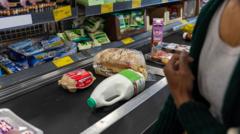
The UK government is pushing supermarkets to voluntarily cap prices on essential groceries including eggs, bread, and milk, according to the BBC. No mandatory price controls are being imposed. Instead, ministers are urging major retailers to freeze or reduce costs on these staple items as inflation continues to squeeze household budgets.
The voluntary approach reflects political pressure to address food costs without triggering supply chain disruptions that mandatory caps could create. Supermarkets retain full discretion over whether to participate and on which products to include beyond the suggested essentials.
This move comes as UK inflation remains elevated and cost-of-living concerns dominate public debate. Food inflation particularly affects lower-income households, where groceries consume a larger share of spending. By targeting high-visibility items like milk and bread, the government aims to show action on everyday affordability without the economic risks associated with hard price controls.
The voluntary mechanism also avoids potential legal or trade complications that binding caps might trigger. Supermarkets face their own margin pressures from suppliers and wholesale costs, making genuine price reductions difficult even with government encouragement. Previous voluntary retail agreements have yielded mixed results in practice.
Whether major chains like Tesco, Sainsbury's, and Asda will meaningfully participate remains unclear. Market competition already pressures retailers on these loss-leader categories. A coordinated voluntary initiative could signal commitment to affordability while maintaining the flexibility retailers demand. Skeptics argue that truly binding action, not gentle nudges, is what struggling households need.