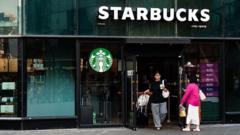
Starbucks Korea fired its CEO following backlash over a promotional campaign widely perceived as insensitive to a historical massacre. The company withdrew its "Tank Day" marketing push for collectible drink tumblers after public outcry from South Korean consumers and activists who connected the campaign to the 1980 Gwangju Uprising, when military forces killed hundreds of civilians during pro-democracy protests.
The timing and branding of the promotion triggered immediate controversy. Tank imagery paired with the campaign name proved particularly inflammatory in a nation where that specific historical event remains culturally sensitive and politically charged. South Korean social media erupted with criticism, forcing the coffee giant to pull the campaign within days.
Starbucks Korea's leadership faced swift consequences for the misstep. The company removed its CEO and initiated an internal review of how the campaign passed approval stages without flagging the historical context. The chain issued formal apologies acknowledging the hurt caused to Korean consumers and pledged stronger cultural awareness protocols moving forward.
The incident reflects growing pressure on global brands operating in Asia to demonstrate deeper understanding of local history and sensitivities. For Starbucks Korea, a major revenue driver in the region, the reputation damage extended beyond the immediate campaign. The company faced calls for boycotts and sustained criticism that threatened its market position in a highly competitive coffee landscape dominated by local chains and competitors like Twosome Place and Ediya Coffee.
This marks a significant stumble for Starbucks in South Korea, where the brand had cultivated a premium positioning. The CEO's removal signals the corporation taking accountability seriously, though restoring consumer trust will require sustained effort and demonstrated cultural competency.