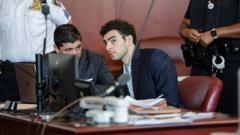
A federal judge ruled that the gun and writings recovered from Luigi Mangione will be admissible evidence in his New York murder trial. Mangione faces charges in connection with the December killing of UnitedHealthcare CEO Brian Thompson in Manhattan.
Authorities apprehended Mangione at a Pennsylvania McDonald's, where they discovered a firearm and handwritten notes. The judge determined that the gun and writings are relevant to the prosecution's case and meet evidentiary standards for admission. However, the court excluded other items seized during Mangione's arrest, finding them inadmissible under legal rules governing search and seizure.
The decision strengthens the prosecution's ability to present direct evidence linking Mangione to the crime. The writings could potentially establish motive, state of mind, or premeditation. The gun itself carries forensic significance if ballistics analysis connects it to the shooting.
Mangione's defense team opposed the admission of these materials, likely arguing that the search violated his constitutional rights or that the evidence lacks proper foundation. The judge's ruling suggests the court found the government's position more persuasive on the evidentiary questions at issue.
This case has drawn intense public and media attention. Thompson's killing sparked broader conversations about healthcare industry accountability and corporate grievances. Mangione has maintained his innocence, though he was apprehended with materials the prosecution views as incriminating.
The admissibility ruling clears significant procedural obstacles for prosecutors moving toward trial. With the gun and writings now in play, the state gains leverage in presenting what it believes is a coherent narrative of premeditation and culpability. The defense will likely focus on challenging the meaning and reliability of the evidence during trial proceedings.