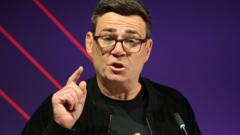
Labour politician Andy Burnham signaled he will not resurrect Brexit debates if he enters the party's leadership race, stating clearly that he does not support another EU referendum or UK rejoin campaign. The Manchester mayor's comments attempt to draw a line under a divisive issue that fractured British politics for years.
Burnham's positioning reflects Labour's cautious approach to European policy under Keir Starmer. The party has moved away from rejoin rhetoric following the 2019 election defeat, when the pro-second-referendum stance alienated Leave-voting constituencies. Any leadership contender must navigate this minefield carefully, as the party remains split between pro-EU members and voters in traditional Labour heartlands who backed Brexit.
The statement carries weight given Burnham's profile as a potential successor to Starmer. His willingness to lock in this position early suggests Labour's leadership recognizes that relitigating Brexit remains toxic. The party has instead focused on post-Brexit trade negotiations and managing relations with Brussels.
Burnham's pledge also reflects broader political reality. UK voters, regardless of how they voted in 2016, now show fatigue around the issue. Polls indicate the appetite for rejoin campaigns ranks low even among Remain voters. Labour strategists understand that winning back Red Wall seats won during the 2019 election requires building trust on issues beyond Europe, particularly economic concerns and public services.
Whether Burnham ultimately enters the leadership race remains uncertain. His comments, however, establish a firm boundary. He has effectively ruled out campaigning on a platform that could energize metropolitan Labour members but would alienate working-class voters the party desperately needs to retain power. This calculation defines modern Labour strategy after the Brexit rupture.