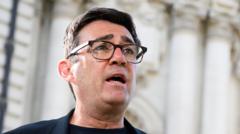
Andy Burnham plots a third leadership bid for Labour, but faces a critical hurdle: he must first return to Parliament as an MP.
The Greater Manchester mayor, who lost two previous Labour leadership contests to Jeremy Corbyn in 2015 and Keir Starmer in 2020, has positioned himself as a regional power broker across the North. His tenure in Manchester has built a national profile through high-profile rows with the Conservative government over pandemic restrictions and levelling-up promises. That regional leverage forms his political base.
Burnham holds significant sway in northern Labour circles and has cultivated a "King of the North" brand that resonates beyond Manchester's boundaries. He's proven capable of delivering electoral results and media attention, particularly when attacking Westminster from a devolved platform. But a leadership campaign requires a Commons seat, making his next move tactical and immediate.
The timing matters. Starmer's current grip on the Labour leadership remains firm, yet succession questions will inevitably surface if the party faces electoral disappointment or internal instability. Burnham's previous campaigns flopped partly because he struggled to distinguish himself sharply from competitors. This time, he'd enter as an outsider with regional credentials rather than a Westminster insider.
His path forward demands securing a safe Labour seat in the North. Once back in Parliament, he can rebuild his Westminster presence while maintaining his Manchester power base. The dual strategy mirrors how other ambitious politicians have maneuvered between local and national stages.
Whether Burnham can convert regional popularity into national appeal remains uncertain. His two failed leadership runs suggest limits to his national coalition-building. Yet the North's growing political weight within Labour, combined with mounting frustration over levelling-up failures, could create space for a regionally-focused challenger down the line.