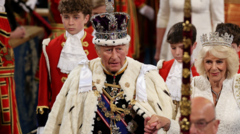
King Charles III delivered the Speech from the Throne, formally outlining the UK government's legislative agenda for the parliamentary session. The address sketched out the Prime Minister's priorities through proposed bills and policy frameworks that Parliament will debate and vote on over the coming months.
The speech functions as the constitutional mechanism through which the reigning monarch presents the government's policy platform. It covers planned legislation across domestic and foreign policy, economic strategy, and social programs. Parliamentary opposition parties use the speech as a platform to critique the government's direction and propose alternatives.
The specific measures announced typically reflect the current government's electoral mandate and policy focus. Legislation outlined in King's Speeches ranges from healthcare reforms and education initiatives to economic regulation and infrastructure investment. Each bill signals where the administration intends to direct parliamentary time and resources.
The speech carries ceremonial weight alongside its political function. The monarch reads the address while wearing formal regalia in the House of Lords, with MPs attending in the chamber. The pageantry underscores the constitutional role of Parliament as the seat of legislative power in the UK system, even as the government sets the agenda.
Following the speech, Parliament typically enters a formal debate period where lawmakers respond to the government's proposals. Opposition parties lay out counter-arguments and alternative visions. The debate establishes the tone for parliamentary sessions ahead and signals which policies will face the toughest resistance.
King Charles' delivery of the speech represents a continuation of constitutional procedure that dates back centuries. The monarch's role remains largely ceremonial in parliamentary democracy, though the speech itself serves as the official government platform for upcoming legislative work.