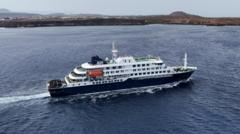
A British passenger joined two others evacuated from the MV Hondius cruise ship after displaying hantavirus symptoms. The vessel continues toward the Canary Islands after the emergency medical removals in the North Sea.
Hantavirus causes fever, muscle aches, and respiratory distress in severe cases. The three patients required immediate transfer to medical facilities in the Netherlands for treatment. Cruise operators initiated isolation protocols following confirmation of suspected hantavirus exposure aboard the Arctic exploration vessel.
The MV Hondius operates expedition cruises to remote regions, typically carrying smaller passenger counts than mainstream cruise lines. Arctic voyages present elevated risks for hantavirus transmission, a rodent-borne pathogen spread through infected animal droppings and urine. Close quarters on ships increase infection potential if contamination occurs in food storage or ventilation systems.
Health authorities in the Netherlands and the UK coordinate care for the evacuated passengers. Remaining passengers and crew undergo health screening as the ship adjusts its itinerary. Cruise lines typically enhance sanitation measures and monitor all onboard personnel following suspected hantavirus cases.
Hantavirus outbreaks on vessels remain rare but carry serious consequences. Cases require aggressive medical intervention, including respiratory support in severe presentations. The evacuation reflects standard maritime emergency protocols when communicable disease threats emerge during voyages.
The Canary Islands destination remains unchanged for the vessel's remaining passengers, though timeline adjustments may occur pending further health assessments. Cruise operators balance operational continuity with passenger safety obligations following disease exposure incidents.