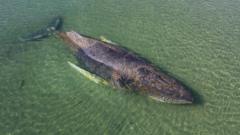
A sperm whale died near a Danish island following a controversial German rescue operation, marking a tragic end to efforts that animal welfare advocates had warned would cause additional harm to the mammal.
The whale, which had beached itself, became the subject of an intensive intervention by German wildlife teams. Experts had previously voiced serious concerns about the rescue attempt itself, arguing that the operation would subject the animal to unnecessary stress rather than improve its chances of survival. Their warnings proved prescient.
The incident underscores a persistent dilemma in marine conservation. Beached whales often face a choice between natural death and human intervention, yet rescue operations themselves carry substantial risks. The stress from handling, transport, and relocation can push already-compromised animals beyond critical thresholds. Sperm whales, deep-diving cetaceans adapted to extreme ocean pressure, face particular physiological challenges when stranded in shallow waters.
German authorities had mobilized resources for the rescue, presumably motivated by public concern and conservation instincts. However, the clash between intervention and welfare reflects growing debate within the scientific community about when human involvement actually helps versus harms marine mammals in distress.
The death raises difficult questions about rescue protocols in cross-border incidents. Denmark and Germany will likely face scrutiny over decision-making processes and whether alternative approaches, including humane euthanasia options, were adequately considered before the operation commenced.
Such incidents remain emotionally charged for the public while presenting genuine ethical challenges for wildlife management teams. Each beached whale becomes a microcosm of larger conversations about human responsibility toward marine life, resource allocation, and the limits of intervention in nature.