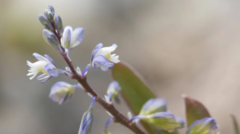
The Kentish milkwort, a rare wildflower native to southeastern England, has rebounded from near-extinction thanks to intensive conservation work. Population counts show the plant increased sevenfold since targeted restoration efforts began in 2013.
The species once thrived across limestone grasslands in Kent but vanished almost entirely due to habitat loss and land-use changes over decades. By 2013, only a handful of individual plants remained in the wild, confined to a single protected site. Conservationists launched focused recovery programs that year, replanting specimens and restoring degraded habitats where the milkwort historically grew.
The turnaround demonstrates how structured intervention can reverse biodiversity collapse. Teams managed grazing patterns, controlled invasive species, and reintroduced plants to suitable patches of restored limestone grassland. The seven-fold growth represents both successful propagation from existing plants and the establishment of populations in previously unoccupied areas.
This recovery mirrors broader efforts across the UK to rescue endangered native plants. The Kentish milkwort join species like the lady's slipper orchid and the chequered skipper butterfly in showing that extinction trajectories can shift with sufficient resources and commitment. The milestone matters because wildflower diversity underpins entire ecosystems, supporting pollinators and other wildlife that depend on native flora.
Conservationists stress that continued management remains essential. The Kentish milkwort's small total population means it remains vulnerable to disease, climate shifts, and habitat disturbance. Ongoing monitoring and site protection will determine whether the gains prove permanent or if the plant faces future setbacks. The success illustrates that extinction prevention beats species recovery, but recovery remains possible when ecosystems are restored and populations are actively managed.