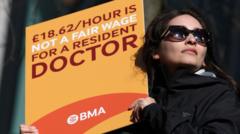
UK hospital trusts report unexpected operational improvements following doctor strikes, according to BBC Health reporting. Several NHS facilities have documented shorter patient wait times, faster clinical decision-making, and reduced congestion in corridors during and after industrial action by physicians.
The paradox reflects how strike periods force systemic resets. When routine appointments cancel, emergency services concentrate resources on critical cases. Streamlined workflows emerge from necessity. Some trusts implemented triage protocols and task redistribution during walkouts that proved efficient enough to retain afterward. Staff report calmer work environments when patient volume drops sharply, reducing burnout and improving care quality for those treated.
However, sustainability remains uncertain. These benefits depend on strike conditions that no trust wants to maintain permanently. The gains vanish once normal operations resume and backlogs resurface. More fundamentally, doctors striking highlights underlying staffing shortages, pay disputes, and workload issues that strikes temporarily mask rather than resolve.
The junior doctors' strikes across the UK have centered on wages, working conditions, and burnout. While brief operational improvements occur, permanent solutions require addressing root causes. Hospital trusts cannot replicate strike-level reductions without compromising routine care that patients depend on.
The data raises uncomfortable questions about NHS efficiency. If strikes inadvertently reveal better-functioning systems, why can't those practices embed under normal conditions? The answer: they require resources, staffing, and management changes that current funding levels prevent. Strikes highlight what good care could look like. They don't create the structural fixes needed to sustain it.
Trust experiences suggest pockets of innovation during crises. Scaling those practices requires investment the NHS hasn't received. Until pay, staffing, and resources improve substantially, strikes remain the only mechanism forcing operational pause and reflection.