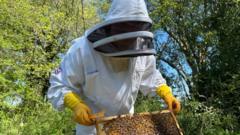
Jenson, a 17-year-old, credits beekeeping with helping him transition back to in-person school after four years of home learning. The teenager found that tending to bees provided mental clarity and improved his headspace during a potentially challenging adjustment period.
His experience reflects a growing recognition of beekeeping's therapeutic benefits, particularly for young people navigating educational shifts and anxiety. The practice offers hands-on engagement with nature while building responsibility and routine. For Jenson, the structured care required by a hive created a grounding activity that complemented his return to classroom learning.
Beekeeping has gained traction among Gen Z as both an environmental commitment and a wellness practice. The hobby addresses multiple needs at once: pollinator conservation, connection to nature, and mental health support. Schools and youth programs increasingly incorporate beekeeping into curricula, recognizing its dual value in teaching ecological awareness while providing students with a calming, purposeful activity.
The sensory aspects of beekeeping, combined with the knowledge that the work supports local ecosystems, create a unique form of engagement. Young beekeepers report feeling less anxious and more focused when working with hives. Jenson's story exemplifies how outdoor hobbies can serve as bridges during life transitions, offering concrete accomplishments that build confidence.
As schools and communities explore ways to support student wellbeing post-pandemic, beekeeping emerges as a practical, eco-conscious option that delivers both environmental and personal benefits.