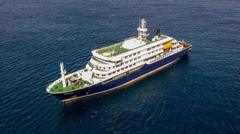
Health officials are investigating a hantavirus outbreak aboard a cruise ship after the Andes strain of the virus was detected among passengers. The discovery marks a rare instance of person-to-person transmission of a virus typically spread through contact with infected rodent droppings or urine.
Hantavirus causes a severe respiratory illness called hantavirus pulmonary syndrome, with mortality rates reaching 38 percent among confirmed cases. The Andes strain, identified in South America, stands apart from other hantavirus variants because it can transmit between humans, though such cases remain uncommon. Most hantavirus infections stem from inhaling aerosolized particles from contaminated rodent excrement, particularly from deer mice and other field rodents.
Symptoms emerge one to eight weeks after exposure and include fever, muscle aches, cough, and headache. The illness progresses rapidly, with fluid filling the lungs and causing respiratory distress. No vaccine or specific antiviral treatment exists for hantavirus. Medical care focuses on supportive treatment, including oxygen therapy and management of organ failure.
The cruise ship investigation raises concerns about enclosed environments where virus transmission accelerates. Health authorities are working to identify all exposed passengers and crew members, trace contacts, and determine the outbreak's origin. Testing protocols are underway to confirm cases and prevent further spread.
Hantavirus infections are rare in developed nations but pose serious threats during outbreaks. The Andes strain's capacity for human-to-human transmission makes surveillance and rapid response critical. Health officials typically recommend avoiding rodent-infested areas, sealing food storage, and using protective equipment when cleaning spaces where rodents may have been present.
The cruise ship case underscores how respiratory viruses can spread efficiently in close quarters and highlights the ongoing public health challenge of emerging infectious diseases.