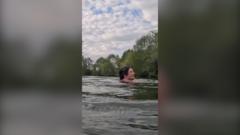
Warning signs now cover almost every official inland river bathing site across England following water quality concerns. The Environment Agency and local authorities have flagged potential safety risks at these designated swimming locations, though specific contamination details remain unclear from initial reports.
England's bathing water regulations require regular testing for bacteria like E. coli and enterococci, which indicate fecal pollution. Heavy rainfall overwhelms sewage treatment systems, forcing wastewater directly into rivers. This combined sewer overflow problem intensifies during wet weather, making inland bathing sites particularly vulnerable to contamination spikes.
Official bathing sites represent only a fraction of where English swimmers actually go, but they receive the most rigorous monitoring. The placement of warning signs suggests recent test results fell below safe thresholds. Swimmers ignoring these notices risk gastrointestinal infections, skin infections, and respiratory illness from exposure to untreated sewage.
Water companies and environmental groups have clashed over responsibility. Campaign organizations blame decades of underinvestment in sewage infrastructure alongside population growth. Water companies argue aging systems struggle during extreme weather events, a problem worsening with climate change and increased summer rainfall.
The situation reflects broader public health tension between infrastructure spending and recreational access. Many swimmers ignore warnings anyway, particularly at popular spots with established communities. Beach bathing sites in coastal areas often maintain better water quality due to salt water's natural antibacterial properties and tidal flushing, though coastal quality has also deteriorated at some locations.
Health officials recommend checking water quality reports before swimming and avoiding bathing during or immediately after heavy rain. Vaccination against hepatitis A offers some protection for high-risk swimmers. The warning signs underscore how sewage investment failures now restrict where English swimmers can safely access water.