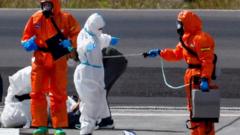
A group of passengers potentially exposed to hantavirus are being repatriated following a suspected case, raising questions about transmission risk and public health threat levels.
Hantavirus spreads primarily through contact with infected rodent droppings, urine, or saliva, not person-to-person. The virus causes hantavirus pulmonary syndrome, a severe respiratory illness with a fatality rate around 38 percent in the US. Early symptoms mimic flu: fever, muscle aches, fatigue. Within days, it progresses to severe respiratory distress requiring intensive care.
Repatriation of exposed passengers reflects standard epidemiological caution rather than imminent mass infection risk. Health authorities quarantine and monitor close contacts to catch any infections early, when treatment intervention matters most. No approved vaccine exists, so management relies on supportive care and early detection.
Person-to-person transmission remains extraordinarily rare. The 1993 Four Corners outbreak killed dozens but never spread through human contact. Healthcare workers caring for hantavirus patients use standard precautions without special respiratory protection, underscoring low transmission risk in clinical settings.
The broader public faces minimal danger from a single repatriated exposure. Hantavirus requires sustained contact with contaminated rodent environments. Air travel carries virtually zero transmission risk. The real threat concentrates among hikers, campers, and rural workers in endemic areas like the southwestern United States where rodent exposure happens regularly.
Repatriation protocols exist to protect both passengers and destination populations through monitoring. Any symptomatic person gets isolated immediately. But the epidemiology is clear: one or even a handful of exposures on a flight or ship don't create outbreak conditions.
Health agencies are doing their job by treating this seriously and moving cautiously. The traveling public needs awareness but not alarm.