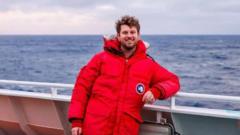
Passengers stranded aboard the MV Hondius cruise ship report a controlled atmosphere onboard even as health officials investigate a potential hantavirus outbreak. The ship remains at sea while authorities assess whether the virus, typically spread through contact with infected rodent droppings, has infected multiple travelers.
Hantavirus cases carry serious health risks. The disease can trigger hantavirus pulmonary syndrome, which causes severe respiratory illness and carries a fatality rate of roughly 38 percent in North America. Early symptoms include fever, muscle aches, and coughing, which can rapidly escalate to acute respiratory distress.
The MV Hondius operates as an expedition vessel, carrying passengers on specialized cruise itineraries to remote regions. Cruise ships create dense living quarters where contagious diseases spread quickly. The close proximity of cabins, shared dining areas, and common ventilation systems amplify transmission risks during outbreaks.
Health authorities implemented isolation protocols to contain potential spread. Officials screened passengers and crew for symptoms while epidemiologists traced the outbreak's origin. Maritime health regulations require ships to report suspected infectious disease cases to port authorities, triggering mandatory investigation and quarantine procedures.
The extended voyage extends the investigation timeline. Officials cannot conclusively rule out additional cases until they complete testing and monitor passengers through the virus's incubation period. Passengers face uncertainty about port access and quarantine requirements pending test results.
Cruise operators face mounting pressure to prevent disease transmission following COVID-19 outbreaks that devastated the industry. Ships now deploy enhanced sanitation protocols, air filtration upgrades, and stricter health screening. However, hantavirus cases on vessels remain rare, making this situation unusual.
The MV Hondius incident underscores the vulnerability of floating communities to infectious disease. Passengers remain aboard during investigation, dependent on onboard medical staff and hoping authorities clear the ship for normal operations.