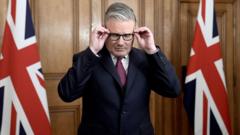
Keir Starmer faces a mounting rebellion within Labour as the party absorbs crushing election losses that threaten his grip on the prime ministerial office. Multiple Labour MPs have publicly called for his resignation, citing poor electoral performance and declining public confidence in his leadership.
The revolt gained momentum after Labour's recent electoral setbacks, which saw the party lose significant ground across constituencies. Backbench MPs express frustration over Starmer's handling of policy decisions and communication strategy. Some senior figures within the party privately question whether he can recover credibility before the next general election.
Starmer has pushed back against resignation calls, signalling his intention to remain in post and stabilize the party. He argues that abandoning leadership now would create chaos and further damage Labour's standing. Allies point to the scale of the task in rebuilding after heavy losses, suggesting continuity matters more than capitulation to internal pressure.
The timing intensifies scrutiny of Starmer's premiership just months into his tenure. Labour activists and MPs worry that extended internal turmoil could entrench the party's decline with voters. Some see the revolt as manageable dissent, while others view it as evidence of deeper problems with party direction and strategy.
The standoff between Starmer and dissident MPs tests Labour's institutional stability. If the rebellion spreads to shadow cabinet figures or gains support among constituency associations, the pressure on his position would become harder to resist. For now, Starmer controls the party machinery and most senior appointments, giving him leverage to weather the storm. But public backing from key figures remains essential to his survival, and several have remained notably silent or equivocal on whether they support his continued leadership.