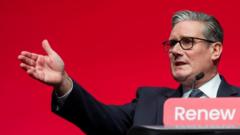
Labour-backing unions are demanding Sir Keir Starmer step down before the next general election, creating fresh turbulence within the party just months into his premiership. The calls come as internal fractures widen, with MPs and cabinet members openly disagreeing on policy direction and leadership.
Starmer has pushed back against the pressure, insisting he will focus on governing rather than responding to internal dissent. His defiant stance suggests he has no intention of abandoning the top job, setting up a potential clash with union leadership that has historically wielded significant influence over Labour's direction and candidate selection.
The unions' ultimatum reflects deeper discontent within Labour's traditional base. Starmer's centrist approach and reluctance to reverse Conservative-era policies have frustrated the party's left wing and its most reliable institutional supporters. Union chiefs worry his leadership style and policy commitments alienate working-class voters and contradict Labour's founding principles.
Cabinet divisions have become increasingly visible. Senior ministers have clashed over priorities including public spending, energy policy, and welfare reform. Some advisors believe a leadership transition before the next election would give Labour a stronger footing; others argue stability matters more than reshuffling at the top.
Starmer's government faces simultaneous pressure from multiple directions. Polling suggests public confidence remains fragile after years of Conservative governance left public services depleted. Union concerns about his direction add institutional strain to an already precarious political position.
The standoff underscores a fundamental tension within modern Labour. Starmer won the leadership by positioning himself as a moderate reformer capable of winning back middle-class voters. Unions backed him expecting a return to traditional Labour priorities. Those expectations have collided, and neither side shows signs of compromise.