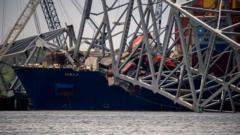
The operator of the Dali, a container ship that destroyed Baltimore's Francis Scott Key Bridge in March 2024, faces criminal charges stemming from the disaster that killed six construction workers. The vessel struck the bridge during its departure from port, causing a catastrophic collapse that sent multiple vehicles and debris into the Patapsco River.
Authorities charged the ship's operator with violating environmental and maritime safety regulations. The incident exposed failures in communication protocols and equipment maintenance aboard the vessel. Investigators determined the Dali experienced a power failure moments before impact, leaving the captain unable to signal distress or maneuver away from the bridge. The ship was carrying over 4,600 containers and approximately 86,000 tons of cargo at the time of collision.
The six workers killed were bridge maintenance crew members and construction personnel working on the structure. Their deaths triggered a major federal investigation into operational procedures on the vessel and port safety measures.
The charges against the operator mark one of the most serious maritime criminal prosecutions in recent US history. They underscore growing accountability for shipping companies operating in US waters, particularly regarding equipment readiness and crew training standards. The incident reignited debates over infrastructure inspection protocols and the risks posed by massive container vessels transiting congested urban waterways.
The Dali case will set precedent for future maritime incidents. Shipping companies now face heightened scrutiny on maintenance records and emergency systems. The Baltimore bridge collapse serves as a stark reminder of how infrastructure and maritime operations intersect in densely populated port cities.