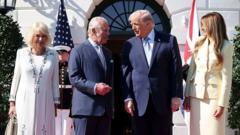
King Charles III's US state visit opens a window for deeper transatlantic ties, but the real work falls to politicians now that the pageantry ends. The British monarch's tour marks a symbolic reset after years of strain in UK-US relations, driven by Brexit fallout, trade disputes, and competing strategic interests.
Charles's presence on American soil carries weight beyond ceremonial value. His engagements with President Joe Biden and congressional leaders signal renewed commitment to the bilateral relationship at a moment when both nations face shared threats from China and Russia. The visit timing matters. The US election cycle heats up in months, and a strengthened UK-US alliance strengthens Biden's hand on defense and trade policy.
But symbolism only carries so far. The core issues remain unresolved. Northern Ireland's post-Brexit trading arrangements still frustrate British businesses and politicians. American tariff threats linger over UK goods. Defense spending commitments from London require concrete follow-through to match rhetoric about NATO solidarity.
The visit gives both capitals runway to negotiate on technology standards, intelligence-sharing protocols, and military cooperation in the Indo-Pacific. Charles's focus on climate action and renewable energy aligns with Biden's legislative agenda, offering common ground beyond traditional defense partnerships.
What happens next depends on civil servants and Cabinet members, not monarchs. The UK must demonstrate it can move faster on trade negotiations and resolve Northern Ireland frictions. Biden's team needs to balance protectionist pressure at home with genuine partnership ambitions.
State visits create momentum. Whether Westminster and Washington translate that into lasting policy gains depends on whether both sides prioritize the relationship beyond the next election cycle. Charles opened the door. Now officials must walk through it.