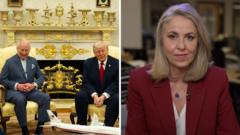
King Charles III's state visit to the United States attempted to shore up US-UK relations at a delicate moment in the bilateral relationship. The British monarch embarked on what amounted to a diplomatic charm offensive with President Trump, deploying the pageantry and ceremonial weight of a state visit to reinforce ties between Washington and London.
BBC Politics correspondent Sarah Smith examined whether Charles' efforts moved the needle on substantive policy matters or remained largely symbolic. The visit unfolded against a backdrop of tension over trade negotiations, defense spending commitments, and differing approaches to key geopolitical challenges. Trump's unpredictable foreign policy stance and skepticism toward traditional alliances had created uncertainty about the durability of the "special relationship."
Charles, leveraging his decades of diplomatic experience and the global platform of the monarchy, sought to remind the American president of the deep institutional and cultural bonds linking the two nations. State visits carry outsized diplomatic weight, combining formal dinners, parliamentary addresses, and one-on-one meetings that create space for substantive conversation away from public scrutiny.
Smith's analysis probed whether ceremonial gestures translate into concrete policy alignment. The monarchy's ability to project continuity and stability offered a counterweight to the volatility that often characterizes Trump's approach to international relations. Yet the fundamental question remained whether personal rapport could overcome structural disagreements on trade, NATO contributions, and regional security priorities.
The visit reflected a calculated British bet that investing in the personal relationship between the crown and the American presidency matters in shaping foreign policy outcomes. Whether that gambit succeeds depends less on the elegance of state dinners than on Trump's willingness to prioritize alliance maintenance over transactional calculations.