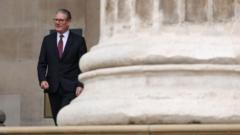
UK Prime Minister Keir Starmer faces mounting pressure following catastrophic local election results that have triggered international scrutiny of his leadership. Global media outlets are framing the Labour leader's political standing as precarious after voters delivered a humbling verdict on his government's performance.
Last week's local elections produced devastating losses for Labour across England, Wales, and Scotland. The results handed significant gains to the Liberal Democrats and Reform UK, while the Conservative Party stabilized after years of decline. Starmer's handling of the economy, cost of living pressures, and public services has drawn criticism from voters tired of austerity and stalled growth.
International outlets have seized on the narrative of crisis. European and American news organizations are treating the election outcome as a referendum on Starmer's first year in office, with many questioning whether he can survive as party leader through the next general election, likely due in 2029. The coverage reflects broader concerns about political instability in Western democracies, particularly among center-left governments.
BBC reporting emphasizes the scale of Labour's underperformance relative to expectations when Starmer took office following the party's landslide 2024 general election victory. The contrast between that triumph and last week's rout underscores voter disillusionment with his administration's trajectory.
Starmer must now manage internal party dynamics while facing external pressure. Labour MPs and activists worry about momentum slipping to opposition parties, while the Liberal Democrats capitalize on discontent in southern England. Reform UK's strong showing reveals a rightward shift among voters previously loyal to the Conservative Party.
The global interest reflects Starmer's importance to the centre-left international political movement. A sustained loss of public confidence could reshape British politics and signal broader electoral challenges for progressive governments worldwide facing inflation, housing crises, and voter demand for change.