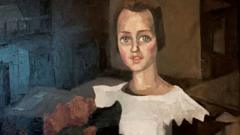
A portrait looted by the Nazis during World War Two has been discovered in the home of descendants of a Dutch SS leader. The painting, believed to have been plundered by Hermann Goering, the Reich Marshal and one of Nazi Germany's most powerful figures, was recovered after researchers traced its ownership history.
Goering accumulated one of the largest private art collections during the Nazi era, systematically stealing works from Jewish families and other victims across occupied Europe. The discovery adds another piece to the ongoing effort to repatriate artwork stolen during the Holocaust.
The recovery underscores the persistence of looted Nazi art in private collections decades after the war's end. Many families, unaware of their possessions' origins or unwilling to acknowledge them, have held onto stolen works. Others inherited them without knowledge of how the pieces entered their families.
Dutch authorities and art restitution organizations worked to identify the painting and establish its provenance. The descendants of the SS leader agreed to return the work, a step that reflects growing pressure on families to confront their relatives' wartime activities and holdings.
Similar discoveries continue to surface across Europe. Museums, auction houses, and private collectors regularly uncover artworks with Nazi-looted histories. Each recovery represents both a historical reckoning and a victory for families seeking to reclaim their stolen heritage.
The case highlights how Nazi plunder persisted beyond 1945, hidden in plain sight within European homes. Restitution efforts remain incomplete, with thousands of stolen artworks still unaccounted for. This discovery reinforces the need for ongoing provenance research and the responsibility of current property holders to investigate the origins of their collections.