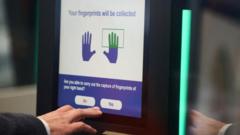
Greece's tourism minister Olga Kefalogianni pledged that British visitors will face no summer border delays as the country implements new biometric entry requirements. The minister stated the Greek government does not want tourists to be "burdened" by the enhanced security checks.
The statement addresses concerns about congestion at Greek airports and ports during peak summer travel season. Greece, along with other Schengen Area nations, is rolling out Entry/Exit System (EES) biometric screening that captures fingerprints and facial recognition data from non-EU travelers. The system, mandated by Brussels, aims to strengthen border security across the bloc.
Kefalogianni's reassurance comes as travel industry groups across Europe worry about operational bottlenecks. British travelers, no longer EU citizens following Brexit, will require these biometric checks. Greece depends heavily on tourism revenue, with British visitors representing a significant share of summer arrivals, particularly to islands like Crete and the Cyclades.
The Greek government's commitment suggests it will staff borders adequately and streamline processing to minimize wait times. Other European nations implementing EES simultaneously face similar pressure to maintain visitor flow while meeting security obligations.
The biometric system represents a shift in how the Schengen Area manages entry. While security protocols tighten post-implementation, tourism ministers across the region balance border control with economic concerns. Greece's proactive messaging positions the country as destination-friendly, critical for maintaining competitive advantage against other Mediterranean tourism hotspots during the lucrative summer months.