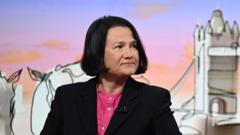
A north London Labour MP has publicly called for Prime Minister Sir Keir Starmer to resign, demanding he set out a timetable for his exit. However, the MP stopped short of launching a formal leadership challenge.
The intervention marks the most direct public pressure on Starmer's position since Labour's significant local election losses and declining polling numbers. The MP argued that Starmer's continued tenure threatens the party's electoral prospects and internal stability.
Starmer has rejected the calls outright, insisting he remains committed to his role and will not step down. His allies framed the criticism as isolated dissent from a single backbencher rather than a broader party rebellion. Labour's leadership argued the focus should remain on policy delivery rather than internal strife.
The situation reflects growing tension within Labour ranks over the government's direction and popularity. Recent polling shows the party trailing the Conservatives, a reversal from Starmer's honeymoon period following Labour's 2024 general election victory. Discontent centers on economic policies, public services management, and perceived distance from party activists.
The MP's decision to avoid formally challenging for the leadership suggests limited appetite among MPs for a wider coup attempt. Party rules require a formal nomination process, and an unsuccessful challenge could damage both the challenger and the party's public standing. The restraint indicates backbenchers recognize the risks of open conflict during a period of already fragile support.
Starmer's position appears secure for now, but the public criticism signals eroding confidence among his own MPs. Party discipline remains the key pressure point as more backbenchers weigh whether to pile on criticism or maintain united messaging ahead of potential further electoral tests.