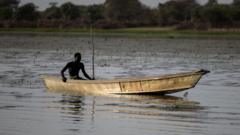
Chad's military conducted air strikes targeting Boko Haram positions in the Lake Chad region, killing dozens of civilian fishermen in the crossfire. A fishermen's leader confirmed to the BBC that approximately 40 people are feared dead, with casualties resulting from direct strikes or drowning as locals attempted to escape.
The incident reflects the broader instability plaguing the Lake Chad Basin, where Boko Haram and its splinter faction, the Islamic State West Africa Province (ISWAP), operate across porous borders shared by Nigeria, Niger, Chad, and Cameroon. Chad's military has intensified operations against these groups in recent months, particularly after Boko Haram attacks targeted Chadian soldiers and civilians.
The fishermen killed inhabited areas near Lake Chad where both militant groups and civilian populations coexist. Intelligence failures or poor coordination between military operations and civilian presence in the region created a deadly scenario. The drowning deaths suggest panic and chaos as residents fled incoming fire with limited warning or escape routes.
This strike underscores the humanitarian cost of counter-insurgency efforts in the Sahel. Civilian casualties from military operations erode local trust in government forces and can drive recruitment for militant groups. The Lake Chad region already faces a severe displacement crisis, with hundreds of thousands displaced by Boko Haram violence over the past decade.
Chad's government has not officially commented on the fishermen's deaths or the civilian toll from the strikes. International humanitarian organizations operating in the region often document such incidents, though access and verification remain difficult in active conflict zones. The tragedy amplifies calls for greater civilian protection protocols and improved intelligence gathering to distinguish combatants from non-combatants in the fragmented Lake Chad conflict.