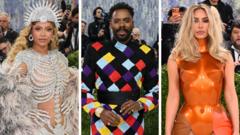
Haute couture hits the steps at the 2026 Met Gala, which pivots toward theatrical spectacle under the theme "Costume Art." The Costume Institute's annual fundraiser embraces fashion as embodied performance, inverting the typical red-carpet calculus where celebrity outfits serve as mere accessories to fame. This year, designers and attendees must think beyond static garments. The theme demands wearable narrative. Costume becomes the protagonist.
The shift carries real weight in fashion discourse. Met Gala themes function as cultural barometers. "Costume Art" signals that the industry is leaning harder into the performative dimension of dress, away from aspirational luxury toward kinetic expression. Think less "look at this dress" and more "watch me become a character." This opens space for experimental construction, exaggerated silhouettes, and conceptual pieces that prioritize movement and transformation.
Designers from across the spectrum, from heritage houses to avant-garde practitioners, face a delicious challenge. The theme invites Balenciaga's architectural boldness, Rick Owens' sculptural severity, and indie labels working in prosthetics and textile manipulation. Attendees including A-list actors, musicians, and style icons will navigate the line between costume and fashion, between theater and high dress.
The Met Gala consistently sets the tone for broader fashion cycles. Major Instagram moments spawn trends that ripple through retail within months. "Costume Art" likely catalyzes a wave of statement-making pieces that prioritize drama and transformation over understated elegance. Street style will follow. TikTok will weaponize the best moments.
For the Costume Institute itself, the theme deepens its institutional mission. Fashion museums traditionally live in the shadow of art museums, but this programming positions costume study as legitimate cultural analysis. The gala becomes proof of concept for fashion's standing as art rather than commerce.