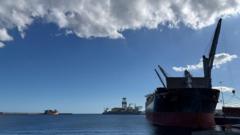
Medical teams in Tenerife prepare for the arrival of the MV Hondius cruise ship, which is heading to port following a deadly hantavirus outbreak onboard. BBC correspondent Sarah Rainsford reports from the Tenerife docks as health authorities ready themselves to receive and assess passengers.
Hantavirus, transmitted through contact with infected rodent droppings, urine, or saliva, poses serious health risks. The virus causes hantavirus pulmonary syndrome, a severe respiratory illness with high mortality rates in some regions. Health officials in the Canary Islands activated emergency protocols upon learning of cases aboard the vessel.
Port authorities coordinated with regional health services to establish screening and quarantine procedures. Medical personnel will evaluate passengers and crew upon docking, isolating any symptomatic individuals for treatment and monitoring. Contact tracing efforts will help identify those who may have exposure to infected persons.
The outbreak raises questions about sanitation protocols aboard cruise ships and how quickly disease spreads in confined quarters where hundreds of people live in close proximity. Cruise operators face renewed scrutiny over ventilation systems, pest control, and passenger screening procedures. The incident comes as the cruise industry continues recovering from pandemic-related shutdowns.
Spanish health authorities coordinated responses with the ship's operators and port management. Passengers face extended stays in port for medical evaluation before disembarkation. The situation underscores persistent infectious disease risks in international travel and the need for robust shipboard health measures.
Regional hospitals stand ready to admit severe cases. Health workers equipped with protective equipment will conduct assessments. The incident demonstrates how quickly viruses can spread globally through modern transportation networks.