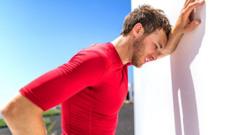
Heat exhaustion and heatstroke demand quick recognition and action. The difference between them matters for survival.
Heat exhaustion shows up first. Look for heavy sweating, weakness, dizziness, nausea, headache, and muscle cramps. Skin stays pale and clammy. Core body temperature stays below 40°C (104°F). Move the person to a cool place immediately. Lay them down with legs elevated. Remove excess clothing. Cool their skin with water, ice packs, or wet cloths. Give them water or sports drinks with salt and sugar. Recovery typically takes 30 minutes.
Heatstroke is a medical emergency. The body's cooling system fails completely. Sweating stops. Skin becomes hot and red. Temperature soars above 40°C (104°F). The person becomes confused, loses consciousness, or has seizures. Call emergency services right away. While waiting, cool them aggressively with water, ice, or fans. Remove clothing. Cool the groin, armpits, and neck where major blood vessels sit close to the skin.
The gap between exhaustion and heatstroke narrows fast during heat waves. Both conditions kill. Heatstroke causes organ damage and brain injury in minutes.
Prevention stops the crisis. Drink water constantly during heat. Avoid peak sun hours (11am-3pm). Wear light, loose clothing. Check on elderly people, young children, and those with chronic illness. Athletes and outdoor workers face higher risk.
These are not minor complaints. Take them seriously. When in doubt, treat it and call for help. Heat kills faster than most people realize.
THE TAKEAWAY: Knowing the signs of heat exhaustion versus heatstroke can save a life during dangerous heat events.