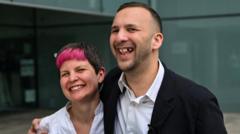
Green Party co-leader Adrian Solanka declared two-party politics "dead" after local elections delivered historic gains for the party. The Greens won their first-ever elected mayors and seized control of multiple councils, notably Norwich.
The results mark a watershed moment for Britain's Greens. They've moved beyond symbolic protest votes and fringe candidacies into genuine municipal power. Norwich's council flip represents the party's biggest prize yet. Multiple mayoralties signal that Green candidates resonate with voters beyond university towns and metropolitan bubbles.
The timing matters. These gains arrive amid persistent voter fatigue with Labour and Conservative orthodoxy. Cost-of-living crises, climate anxiety, and stalled infrastructure projects create openings for parties positioned outside the traditional duopoly. The Greens capitalized on that discontent in places where local issues, not Westminster dynamics, dominate.
Solanka's "dead" proclamation overstates the case somewhat. Labour and Conservatives still command Parliament and most councils. But the electoral math has shifted at the local level. The Greens proved they can build coalitions, manage resources, and win voters' trust beyond protest gestures. Norwich voters chose them to run a city of 135,000 people.
This reshapes British politics' operational reality. Other parties must now negotiate with Greens on coalitions and budget votes. Councils eye Green-backed policies on transport, housing, and environmental standards. A national green wave remains unlikely. But municipal networks of Green governance create pressure for policy adaptation among established parties.
The results don't demolish the two-party system entirely. They fracture it further at the edges, forcing Labour and Conservatives to compete for ground they've long ignored.
WHY IT MATTERS: Green electoral viability at the local level translates into real policy shifts on climate, housing, and public spending across Britain's councils.