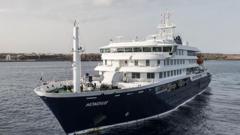
Two British passengers who disembarked early from a cruise ship in the Mediterranean have entered self-isolation after potential exposure to hantavirus. The pair left the vessel before its scheduled end date. Health officials confirmed neither passenger currently displays symptoms of the virus.
UK health authorities assessed the risk to the general public as very low. Hantavirus spreads primarily through contact with infected rodent droppings, urine, or saliva, making person-to-person transmission rare. The individuals are following precautionary isolation protocols while under medical observation.
The cruise ship incident highlights growing concerns about infectious disease exposure in travel settings. Hantavirus can cause hantavirus pulmonary syndrome in severe cases, marked by respiratory distress and fever. Most cases stem from environmental exposure rather than close contact with other travelers.
British health services activated standard contact tracing and monitoring procedures. The two passengers will remain isolated for the recommended observation period, with regular health checks to detect any symptoms. Officials have not disclosed additional details about when or how exposure may have occurred aboard the vessel.
This incident reflects heightened awareness of disease risks in shared travel environments post-pandemic. Cruise lines and health authorities maintain protocols for identifying and managing potential health threats during voyages. The asymptomatic status of both passengers aligns with typical hantavirus exposure scenarios, where incubation periods can stretch weeks before symptoms emerge.
THE TAKEAWAY: Early intervention and precautionary isolation prevent disease spread while authorities monitor exposed individuals without confirmed infection.