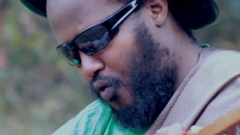
A Rwandan singer and former university lecturer died during his release from prison, according to BBC reporting. The artist had been imprisoned for his vocal criticism of the government and the ruling Rwandan Patriotic Front party.
Details remain sparse, but the timing of the death during the release process raises serious questions about the circumstances. Rwanda's government has a documented history of suppressing dissent and limiting press freedom, according to international human rights organizations. Artists and public figures who publicly oppose the ruling party face significant risks, including arrest and imprisonment.
The singer's death marks another troubling chapter in Rwanda's record of constraining political speech. His imprisonment itself reflected the country's intolerance for criticism from high-profile voices. Universities and cultural institutions in Rwanda operate under considerable state pressure, making outspoken academics and performers particularly vulnerable to retaliation.
This incident adds to growing international concern about democratic freedoms in Rwanda under President Paul Kagame's long tenure. While the country has invested heavily in infrastructure and economic development since the 1994 genocide, critics argue these gains have come at the expense of basic liberties. Journalists, activists, and opposition figures regularly report harassment and intimidation.
The circumstances surrounding the singer's death during release demand investigation and transparency. Without clear official explanation, suspicion naturally falls on state actors. International observers and human rights groups will likely scrutinize Rwanda's account closely.
THE TAKEAWAY: The death underscores the dangers faced by dissidents in Rwanda, where criticism of the ruling party carries severe consequences.