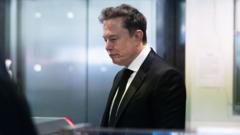
Elon Musk's compensation package at Tesla carries a theoretical value of $158 billion, making it one of the richest pay deals in corporate history. The catch: he hasn't earned most of it yet.
The structure ties Musk's compensation directly to Tesla hitting aggressive financial and operational targets. These milestones span revenue growth, profitability benchmarks, and autonomous driving development. Tesla must reach specific market capitalizations and operational metrics for Musk to unlock each tranche of the award.
Currently, Musk has not satisfied enough conditions to claim the bulk of the package. This vesting-based approach differs sharply from traditional executive compensation. Rather than guaranteed salary or immediate stock grants, Musk's pay functions as a long-term performance incentive locked to Tesla's operational success.
The arrangement reflects shareholder concerns about executive accountability. By conditioning the payout on measurable business outcomes, Tesla's board attempted to align Musk's interests with investor returns. The structure also avoids immediate tax liability for Musk while keeping him motivated to drive company performance.
Tesla faces mounting competitive pressure from legacy automakers and startups ramping EV production. The stock trades below previous highs, and delivery growth has slowed. Meeting the compensation milestones requires Tesla to substantially accelerate revenue, expand margins, and demonstrate progress on full self-driving technology.
This compensation model has faced legal challenges and shareholder votes over the years. Some investors questioned whether the targets were achievable or whether they unfairly benefited Musk at shareholder expense. The board has periodically adjusted terms as market conditions and company trajectory shifted.
THE BOTTOM LINE: Musk's windfall only materializes if Tesla executes on demanding growth targets, meaning shareholders benefit from his incentive to deliver results.