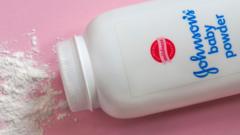
Johnson & Johnson faces a ballooning talcum powder litigation crisis in the UK. The High Court case, which opened Wednesday, has swelled to 7,000 claimants from an original 3,000. This trajectory positions it as the largest product liability case in British legal history.
The claimants allege that talcum powder products caused mesothelioma and ovarian cancer through asbestos contamination. J&J has faced similar lawsuits globally, including roughly 61,000 cases in the US that resulted in a $9 billion settlement announced in 2022. The company denies its talcum products contained dangerous asbestos levels.
The UK litigation represents a watershed moment for mass tort cases in Britain. The case operates under Group Litigation Order rules, which allow individual plaintiffs to consolidate claims and share evidence. This structure dramatically reduces legal costs for claimants while amplifying reputational and financial pressure on the defendant.
Courts will examine J&J's knowledge of asbestos risks and whether the company adequately warned consumers. The case hinges on causation evidence. Scientific experts will testify about exposure levels and disease pathways.
The tripling of claimants mid-trial signals something crucial. Word spreads. Former users experiencing respiratory illness or cancer spot headlines and connect symptoms to products they owned. Legal firms aggressively market these cases, making participation frictionless. The UK's "no win, no fee" system removes financial barriers for plaintiffs.
J&J's talcum powder division faced mounting pressure globally. The company discontinued talc-based baby powder sales in North America in 2020, citing market shift rather than legal liability. Yet that decision underscored market perception of risk.
This case will reshape how UK courts handle massive product liability disputes. Judges must navigate thousands of individual claims with varying medical evidence and exposure histories. Discovery timelines expand. Trial duration stretches. Costs explode.
For claimants, the sheer number matters. Larger defendant liability pools increase settlement leverage. For J&J, the case threatens both wallet and brand