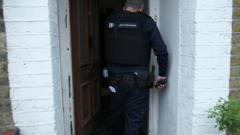
# Two Arrested in BBC Asylum Fraud Investigation
The BBC's investigation into immigration fraud exposed a scheme where advisers coached asylum seekers to fabricate sexual orientation claims to secure UK residency. Two people now face arrest following the exposé.
The investigation uncovered a disturbing pattern. Immigration consultants allegedly instructed clients on how to present false LGBTQ+ identities during asylum interviews, coaching them on specific narratives and behaviors designed to convince Home Office officials. These fake claims exploit legitimate protections for persecuted LGBTQ+ individuals fleeing countries where homosexuality carries death sentences or imprisonment.
The scam works because UK asylum law does provide genuine refuge for people facing persecution based on sexual orientation. Genuine claims from LGBTQ+ applicants from hostile nations represent valid protection pathways. However, fraudulent claims dilute the credibility of authentic cases and create additional burden on already stretched asylum systems.
Home Office officials now face pressure to tighten verification procedures without discriminating against legitimate LGBTQ+ asylum seekers. The balance between protecting vulnerable people and preventing abuse has become harder to maintain.
The arrests signal an enforcement response, though critics argue the real problem runs deeper. Immigration advisers operate in a murky sector with minimal regulation. Many operate without proper credentials or oversight. The BBC investigation suggests this particular fraud network exploited legal loopholes and insufficient vetting during interviews.
This case highlights broader asylum system vulnerabilities. As applications surge across Europe, pressure mounts on officials to process cases quickly, potentially making fraudulent claims easier to slip through. The UK joined other Western nations grappling with similar immigration fraud schemes targeting protection systems meant for genuinely persecuted populations.
THE BOTTOM LINE: The arrests target individual fraudsters, but systemic vulnerabilities in asylum verification remain the deeper problem.