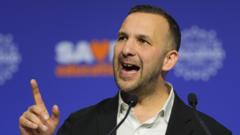
Green Party co-leader Adrian Polanski faced internal pressure after sharing a social media post that attacked police officers involved in an arrest. The backlash intensified as party members and external critics interpreted the post as undermining law enforcement during an active incident.
Polanski issued an apology, acknowledging the misstep in amplifying criticism of the arresting officers. The incident exposed fractures within the Green Party over its messaging on policing and public safety, with some members concerned the post could damage the party's credibility on law-and-order issues.
The controversy highlights the perilous space party leaders occupy on social media. A single retweet or share can trigger rapid mobilization from opponents and internal dissent. For the Greens, still establishing themselves as a serious electoral force in UK politics, the episode underscored how quickly party discipline can unravel when senior figures wade into active police operations without full context.
The apology came swiftly, suggesting party leadership recognized the reputational risk. The timing matters. With national elections potentially looming, the Greens cannot afford splits over core governance issues like policing. The incident also reveals how fractious online discourse has become, where nuance collapses quickly into tribal positioning.
The Green Party continues navigating a delicate balancing act. It must appeal to left-leaning voters concerned about police reform and accountability while projecting competence on public safety. Polanski's stumble suggests that balance remains fragile, especially when handled through social media rather than careful public statements.
THE TAKEAWAY: A moment of poor judgment on social media created unnecessary controversy that forced a senior Green Party figure into a defensive posture just as the party builds momentum.