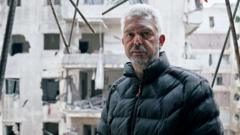
Israeli airstrikes hit Lebanon on the afternoon of what appears to be a significant military operation, leaving families devastated and communities fractured. The bombing campaign lasted roughly ten minutes but inflicted severe casualties and widespread destruction across multiple locations.
One mother's account captures the human cost. She lost her son in the strikes, describing the attack's brutality with stark clarity: "Nothing will bring back my son." Her words reflect the permanent rupture these ten minutes created in countless Lebanese families.
The timing and intensity of the strikes suggest a major escalation in the Israel-Lebanon conflict. Details on specific targets, casualty counts, and broader military context remain limited, but the scale of destruction across the country indicates this was not a limited, surgical operation. Rather, it represents a major bombing campaign that struck multiple areas simultaneously.
The human impact dominates the narrative here. One bombing run devastated lives irreversibly. Families lost relatives. Communities lost infrastructure. The aftermath leaves survivors grappling with trauma and loss that extends far beyond physical damage.
This moment reflects the volatile state of Israel-Lebanon relations and the fragility of civilian life in conflict zones. Airstrikes of this scale typically trigger broader regional consequences, including humanitarian crises, displacement, and potential retaliatory action. The speed and scope of the bombing—compressed into minutes—underscores how quickly warfare can upend entire populations.
The BBC report centers survivor testimony rather than military analysis, prioritizing the voices of those directly harmed. This focus on civilian perspectives rather than strategic assessments shapes how the broader conflict plays out in international coverage.
THE BOTTOM LINE: A brief but devastating Israeli bombing campaign in Lebanon killed civilians and fractured families, with survivors left navigating irreversible loss.