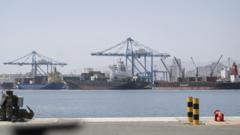
US Navy forces engaged Iranian fast boats in the Strait of Hormuz while Iran launched a separate attack on a UAE oil facility, escalating tensions across the Persian Gulf. Maersk confirmed that one of its US-flagged commercial vessels safely transited the critical chokepoint under American military escort, signaling the intensity of the current security situation.
The dual incidents underscore the fragility of global shipping routes that move roughly one-third of the world's seaborne petroleum. The Strait of Hormuz remains one of the most strategically vital waterways on earth, and disruptions there ripple across energy markets and supply chains worldwide.
Iran's targeting of UAE infrastructure reflects broader regional friction, particularly surrounding nuclear negotiations and sanctions. The US military presence in the region has intensified as threats to commercial shipping have mounted. Maersk's decision to publicly confirm the escort operation speaks to genuine operational hazards facing major carriers in these waters.
The incident arrives as oil markets already grapple with supply concerns from multiple geopolitical flashpoints. Energy prices remain sensitive to any hint of disruption in the Gulf, where crude flows remain constrained by existing conflicts and tensions. Insurance premiums for transiting vessels have spiked accordingly, with shipping companies factoring in heightened risks.
The Strait of Hormuz regularly sees provocative actions from Iranian forces, including drone harassment and occasional naval skirmishes. However, coordinated military strikes paired with attacks on infrastructure mark an escalation beyond routine posturing. This moment tests US commitment to freedom of navigation while spotlighting the vulnerability of commercial shipping in contested waters.
For companies like Maersk and competitors, the situation forces difficult operational choices. Rerouting around Africa lengthens transit times and costs substantially, but the Strait now carries genuine kinetic risk. Continued escalation could force permanent shifts in global supply chain architecture.
WHY IT MATTERS: Disruptions to Strait of Hormuz shipping directly affect oil prices and supply chains for consumers and businesses worldwide.