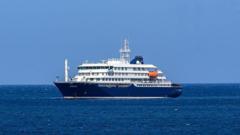
A cruise ship in the Arctic has confirmed a second hantavirus case following the deaths of three passengers. The MV Hondius, operated by Hurtigruten Expeditions, reported that a Dutch couple and a German national died after contracting the virus during a voyage near Svalbard.
Hantavirus spreads primarily through contact with infected rodent droppings, urine, or saliva. The disease causes hemorrhagic fever with renal syndrome, characterized by fever, severe headaches, abdominal pain, and kidney failure. Mortality rates range from 1 to 15 percent depending on the virus strain and access to medical care.
The confirmed second case came from another passenger aboard the vessel. Norwegian authorities launched an investigation into the outbreak and implemented containment measures. Hurtigruten Expeditions stated the ship underwent deep cleaning and disinfection protocols following the deaths.
This marks a rare cluster for hantavirus transmission in a cruise ship setting. The virus typically infects individuals in close proximity to rodent habitats, making shipboard outbreaks uncommon. The Arctic region where the MV Hondius operated does not typically present high hantavirus risk, suggesting the contamination may have originated from stored food supplies or cargo.
Hurtigruten, a major Arctic expedition cruise operator, has maintained strong safety records. The company suspended subsequent sailings while health authorities traced the outbreak source. The incident raises questions about biosafety protocols on expedition vessels operating in remote regions where medical evacuation proves challenging.
Health officials urged passengers from the voyage to monitor for symptoms and seek immediate medical attention if fever, muscle aches, or kidney issues develop. Early treatment with supportive care significantly improves survival outcomes.
WHY IT MATTERS: Cruise ship disease outbreaks threaten passenger safety and expedition tourism in remote regions where rapid medical response remains limited. This case underscores the need for rigorous rodent control and food storage standards aboard vessels.