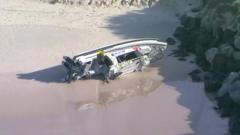
A rescue operation turned tragic off Australia's coast when the volunteer rescue vessel capsized in severe weather conditions, claiming three lives including two experienced rescuers. The boat rolled during what authorities described as treacherous conditions, killing rescuers aged 78 and 62 along with a third person. The incident unfolded as volunteers attempted to assist another vessel in distress, demonstrating the extreme dangers faced by those who conduct maritime rescues in unpredictable ocean conditions. Local maritime authorities launched an investigation into the capsizing. The volunteers' deaths underscore the risks inherent in rescue operations, particularly when weather patterns shift rapidly. Their service represents the backbone of coastal safety systems across Australia, where volunteer organizations handle thousands of emergency calls annually. The tragedy prompted renewed discussions about marine safety protocols and equipment standards for rescue vessels operating in challenging waters. Community tributes highlighted the decades of service the deceased rescuers contributed to their region. The incident serves as a sobering reminder that those who answer distress calls often place themselves in harm's way. Maritime safety experts have long emphasized the need for updated training and vessel capabilities to handle extreme weather scenarios.
THE TAKEAWAY: Volunteer rescuers represent a critical lifeline in maritime emergencies, but their essential work carries substantial personal risk that demands robust safety infrastructure and community recognition.