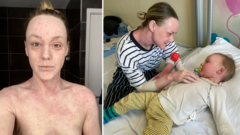
Hundreds of people are contacting the BBC about a mysterious skin condition that has left them in agony, yet the medical community remains deeply divided on whether it actually exists. The condition, which some patients and doctors attribute to Topical Steroid Withdrawal (TSW), presents as severe, persistent skin inflammation that sufferers describe as debilitating. However, dermatologists worldwide disagree sharply on its validity. Some view TSW as a genuine condition caused by prolonged topical steroid use, while others classify the symptoms as severe eczema or other known dermatological disorders.
The gap between patient experience and medical consensus has created a crisis of credibility. Patients report extreme burning, peeling, and systemic symptoms that conventional eczema treatments fail to address. Many have stopped using steroids after hearing about TSW online, only to experience what they perceive as worsening symptoms. Support communities have grown rapidly across social media, amplifying patient voices but also spreading unverified information about steroid dangers.
Major dermatological organizations remain cautious about recognizing TSW as a distinct diagnosis. The American Academy of Dermatology and European dermatology societies have not formally acknowledged it as a standalone condition, citing insufficient clinical evidence. Some researchers argue the symptoms align with known inflammatory skin diseases. Others worry that rejecting TSW diagnosis leaves patients without medical guidance or treatment options.
The BBC's coverage has given visibility to hundreds of affected individuals, forcing the medical establishment to confront a legitimacy question. Healthcare providers face pressure to validate patient suffering while maintaining scientific rigor. Some dermatologists now offer TSW-aware treatment approaches without formally endorsing the diagnosis, threading a needle between skepticism and compassion.
This stalemate underscores a larger healthcare challenge: when patient-reported conditions lack clear diagnostic criteria, who decides reality—clinicians or those living the experience?
THE BOTTOM LINE: A growing patient movement is pushing medicine to reckon with a condition doctors refuse to officially recognize.