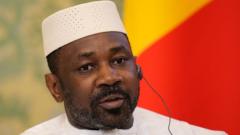
Mali's junta leader Assimi Goïta consolidated power by appointing himself defence minister after his predecessor Sadio Camara died in a major militant offensive. Camara fell during a coordinated attack by jihadist and separatist forces that posed one of the most serious threats to the military government's authority since the 2021 coup.
The appointment hands Goïta direct control over the armed forces at a precarious moment. Mali faces a deteriorating security crisis across its Sahel region, where groups linked to Al-Qaeda and ISIS operate alongside ethnic separatist militias. The combined assault that killed Camara demonstrates the scale of the challenge confronting Bamako.
Goïta seized power in August 2021, then consolidated his grip with a second coup in May 2022. His dual-appointment strategy reflects the junta's struggle to maintain stability against fracturing security forces and fragmented opposition. The move also telegraphs that Goïta trusts few subordinates with defense matters during this volatile period.
Mali's military has suffered repeated setbacks against insurgent forces. France withdrew its counterterrorism mission last year after a decade of involvement, leaving Malian forces and Russian-backed mercenaries to shoulder the burden. Casualties among Malian troops have mounted, and territorial control has slipped in key regions.
By taking the defence portfolio directly, Goïta signals he will personally manage the military response. This consolidation contradicts earlier promises to restore civilian rule, further entrenching the junta's control. International observers view the move with concern, as it tightens authoritarian grip rather than opening democratic pathways.
The attack killing Camara underscores how Mali's militant insurgency remains lethal and capable despite military spending increases.
WHY IT MATTERS: Mali's deepening instability and authoritarian entrenchment threaten regional security across West Africa and complicate international counterterrorism efforts.