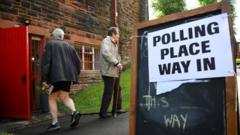
Scotland's election campaign has surfaced deep divisions over the Scottish National Party's leadership and direction, with the party facing scrutiny over its governing record and internal turmoil following former leader Nicola Sturgeon's departure.
The SNP's push for Scottish independence remains central to the campaign, but voters are weighing competing priorities. Cost of living, NHS performance, and education quality have emerged as equal concerns, reflecting public focus on bread-and-butter issues over constitutional questions.
The Scottish Greens and Scottish Labour have gained momentum by positioning themselves as alternatives to SNP governance. Labour has emphasized practical policy solutions, while the Greens have targeted environmental and social justice platforms. The Scottish Conservatives have argued for stronger management of public services.
Holyrood's voting system, which uses proportional representation, means no single party is likely to command a majority. Coalition or confidence-and-supply arrangements will probably determine which government forms after the election.
The campaign has revealed voter frustration with SNP infighting and questions about whether the party can deliver on both independence aims and day-to-day governing demands. Turnout and tactical voting will shape the final outcome.