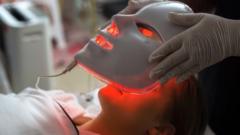
Red light therapy products have flooded the consumer market, from standalone beds to wearable LED masks, with manufacturers claiming benefits ranging from muscle repair to skin rejuvenation. The science supporting these claims remains contested.
Proponents point to studies showing red and near-infrared light can penetrate skin and stimulate cellular activity, potentially aiding recovery and appearance. Some research suggests wavelengths between 600 and 1,000 nanometers may boost collagen production and reduce inflammation.
However, the evidence is mixed. Many studies use small sample sizes or lack rigorous controls. The FDA has approved some red light devices for specific medical uses, like wound healing, but most consumer products operate in a regulatory gray area. Claims about muscle recovery, anti-aging, and athletic performance often outpace available data.
Dermatologists urge caution. While red light appears low-risk for most people, effectiveness depends heavily on device quality, wavelength, duration, and distance from skin. Products vary wildly in specifications, making it difficult for consumers to know what they're purchasing.
The market continues expanding regardless, driven by celebrity endorsements and social media promotion. Experts recommend consulting healthcare providers before investing in expensive devices and remaining skeptical of extraordinary claims. Red light therapy may offer modest benefits for some conditions, but the "warm glow" of marketing often exceeds the clinical evidence.