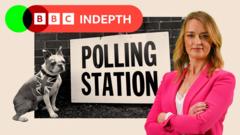
Britain's local elections next Thursday will determine more than the Prime Minister's political survival. Voters across England, Scotland, Wales, and Northern Ireland will elect hundreds of council seats, with results shaping the balance of power at local government level and signaling public appetite for national change.
The elections serve as a referendum on the governing party's performance on local issues: potholes, waste collection, social services, and planning decisions. Control of councils directly affects how residents experience government, and opposition parties see the vote as a chance to demonstrate they can manage communities effectively.
Beyond individual constituencies, the results will reveal whether discontent with the current leadership extends beyond Westminster. Strong showings by opposition parties could embolden backbench rebels and shift momentum heading into the next general election. Weak results for the government would accelerate pressure on the Prime Minister and raise questions about party unity.
Local elections also matter to voters who have limited contact with national politics. Councils control billions in public spending and make day-to-day decisions that affect quality of life more directly than Parliament does. A council election is often when voters first judge whether they trust a party to deliver.
The Thursday vote will produce clear winners and losers in individual regions, offering the first major electoral test of public opinion since the last general election cycle began.