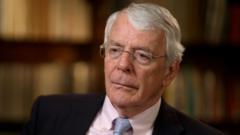
Former Prime Minister John Major warned the BBC that Britain's rapid turnover of leaders damages long-term policymaking and betrays young people. Major, who served as PM from 1990 to 1997, criticized political leaders for failing to address persistent problems requiring sustained attention across multiple election cycles.
The comments reflect growing concern about executive instability in British politics. The UK has had five prime ministers since 2016, each bringing policy shifts that disrupt continuity. Major's critique suggests this churn prevents governments from implementing comprehensive strategies on issues like infrastructure, education, and economic productivity that demand multi-year commitments.
Young people face particular consequences, Major argued, as they inherit unresolved challenges that leaders defer rather than solve. His warning carries weight given his own tenure, which spanned seven years and allowed for longer-term initiatives despite internal party divisions over Europe.
The remarks insert Major into current political debate as Parliament prepares for a general election. They highlight a structural tension in British governance: the electoral cycle and party politics often prioritize short-term wins over generational problem-solving. Major's intervention suggests bipartisan frustration with the status quo, though his specific prescription for reducing leadership churn remains unclear.