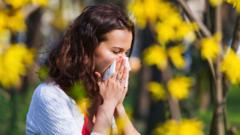
Hay fever season now lasts up to two weeks longer than it did in the 1990s, according to a major report. The extended misery stems from climate change lengthening the pollen season, with plants flowering earlier in spring and later into fall.
Higher carbon dioxide levels and warmer temperatures trigger earlier blooms. Ragweed and other allergens persist deeper into autumn. People with allergies face a compressed recovery window between seasons.
Several strategies help manage the extended season. Start antihistamines and nasal sprays before symptoms begin, not after. Wear sunglasses outdoors to shield eyes from pollen. Shower and wash clothes after time outside to remove pollen particles. Keep car windows closed during high pollen counts, using air conditioning with a clean filter instead.
Doctors recommend checking daily pollen forecasts to plan outdoor activities. Saline nasal rinses reduce congestion without medication. For severe symptoms, immunotherapy, or allergy shots, offer long-term relief by desensitizing the immune system to specific allergens over months or years.
Those with asthma should monitor hay fever closely, as pollen triggers can worsen respiratory symptoms. Consult a doctor if over-the-counter treatments prove ineffective.